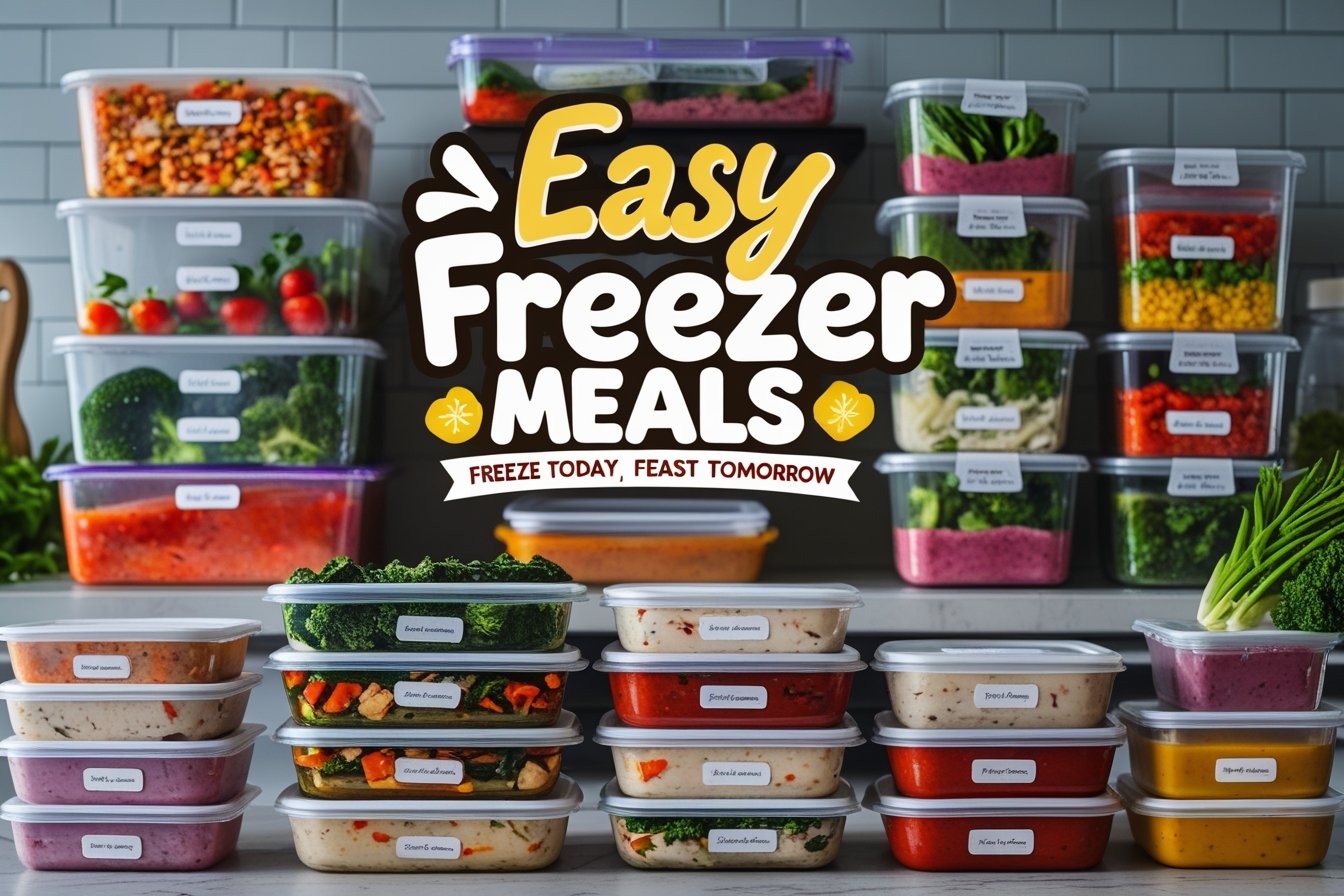
What if your freezer could become your personal chef, serving up delicious homemade meals whenever you need them? Welcome to the world of easy freezer meals, where strategic preparation today creates effortless dining experiences tomorrow, turning your kitchen into a meal prep sanctuary.
Why Smart Families Choose Frozen:
Freezer meal prep represents the ultimate kitchen hack for busy households. This strategic approach to cooking allows you to batch cook multiple meals during available time, then simply reheat when life gets hectic. The freeze today, feast tomorrow philosophy transforms how families approach mealtime, creating a sustainable system that saves time, money, and stress.
Building Your Freezer Meal Arsenal:
Meals That Freeze Like Champions:
Casserole Champions:
- Lasagna variations – Classic meat, vegetable, and white sauce versions
- Enchilada casseroles – Chicken, beef, or black bean combinations
- Shepherd’s pie – Traditional and sweet potato-topped versions
- Breakfast casseroles – Egg, sausage, and cheese combinations
Soup and Stew Superstars:
- Slow cooker chili – Multiple bean and meat varieties
- Chicken noodle soup – Homemade comfort in convenient portions
- Beef stew – Hearty vegetables and tender meat combinations
- Vegetable soups – Seasonal produce transformed into freezer gold
Protein Powerhouses:
- Marinated chicken breasts – Pre-seasoned for quick cooking
- Meatball varieties – Italian, Swedish, and Asian-inspired options
- Burger patties – Seasoned and portioned for easy grilling
- Taco meat – Pre-cooked and seasoned for instant Mexican nights
The Strategic Freezer Categories:
Breakfast Battalion: Transform morning chaos into smooth starts with make-ahead breakfast options:
- Breakfast burritos – Egg, cheese, and meat combinations wrapped and frozen
- Pancake and waffle batches – Homemade versions ready for toasting
- Smoothie packs – Pre-portioned fruits and vegetables for blending
- Breakfast sandwiches – English muffin, egg, and cheese combinations
Lunch Legion: Create midday solutions with freezer-friendly lunch options:
- Soup portions – Individual servings for quick microwave heating
- Sandwich wraps – Pre-made combinations ready for thawing
- Salad kits – Prepped ingredients minus lettuce for fresh assembly
- Leftover transformations – Dinner portions repurposed for lunch
Dinner Dynasty: Build your evening meal foundation with strategic dinner preparation:
- Slow cooker starters – Pre-prepped ingredients for dump-and-go meals
- Skillet solutions – Partially cooked meals needing final touches
- Oven-ready assemblies – Fully prepared dishes awaiting baking
- Grill-ready proteins – Marinated and seasoned for outdoor cooking
The Science of Successful Freezing:
Choosing the Right Storage Solutions:
Airtight Champions:
- Glass containers – Pyrex and similar brands for oven-to-freezer convenience
- Plastic containers – BPA-free options with secure locking lids
- Freezer bags – Heavy-duty versions for space-efficient storage
- Vacuum-sealed packages – Professional-grade preservation for long-term storage
Portion Control Strategies:
- Individual servings – Single-person portions for grab-and-go convenience
- Family-sized portions – Complete meals for household dining
- Ingredient batches – Pre-prepped components for meal assembly
- Leftover conversions – Transform extras into future meal components
Maximizing Freshness and Quality:
Optimal Freezing Periods:
- Cooked meals – 3-6 months maximum storage time
- Raw marinated meats – 6-12 months with proper packaging
- Soups and stews – 4-8 months for best quality retention
- Baked goods – 3-6 months wrapped properly
Quality Preservation Techniques:
- Rapid cooling – Cool completely before freezing to prevent ice crystals
- Air removal – Minimize exposure to prevent freezer burn
- Proper labeling – Date and contents for easy identification
- Temperature consistency – Maintain 0°F or below for optimal preservation
Maximizing Your Cooking Sessions:
Strategic Session Planning:
The Two-Hour Wonder: Transform limited time into maximum output with efficient batch cooking:
- Protein preparation – Cook multiple meat varieties simultaneously
- Vegetable processing – Chop, dice, and prepare produce in bulk
- Sauce creation – Make base sauces for multiple meal applications
- Assembly line approach – Systematic meal building for efficiency
The Weekend Warrior: Dedicate longer sessions to comprehensive meal preparation.
- Complete meal assembly – Finish entire dishes ready for freezing
- Ingredient batch processing – Prepare components for multiple recipes
- Experimental cooking – Try new recipes for freezer compatibility
- Family involvement – Engage household members in preparation activities
Tools for Freezer Success:
Essential Equipment:
- Large mixing bowls – For batch preparation and assembly
- Sharp knives – Quality blades for efficient vegetable processing
- Cutting boards – Multiple boards for different ingredient types
- Measuring tools – Accurate portions for consistent results
Advanced Tools:
- Food processor – Quick chopping and mixing for large batches
- Slow cooker – Hands-off cooking for tender proteins
- Instant pot – Pressure cooking for rapid meal preparation
- Vacuum sealer – Professional-grade storage for extended preservation
The Thawing and Reheating Mastery:
Safe Thawing Practices:
Refrigerator Thawing:
- Overnight method – Move frozen meals to the refrigerator 12-24 hours ahead
- Cold water thawing – Submerge sealed packages in cold water
- Microwave defrosting – Use defrost setting for quick thawing
- Direct cooking – Some meals can be cooked from a frozen state
Reheating Excellence:
- Oven reheating – Best for casseroles and baked dishes
- Stovetop warming – Ideal for soups, stews, and sauces
- Microwave convenience – Quick individual portion heating
- Air fryer crisping – Restore texture to previously crispy foods
Quality Restoration Techniques:
Texture Recovery:
- Sauce adjustments – Add liquid to restore original consistency
- Seasoning refresh – Taste and adjust spices after reheating
- Crispy element addition – Fresh toppings for texture contrast
- Herb finishing – Fresh herbs to brighten reheated flavors
The Economics of Freezer Cooking:
Budget-Friendly Strategies:
Bulk Buying Benefits:
- Meat purchases – Buy in bulk when prices are lowest
- Seasonal produce – Preserve peak-season vegetables and fruits
- Sale shopping – Stock up during grocery store promotions
- Warehouse shopping – Family-sized portions for batch cooking
Waste Reduction Winners:
- Leftover transformation – Convert extras into new meals
- Vegetable scraps – Save for homemade stock creation
- Herb preservation – Freeze fresh herbs in oil or water
- Bread rescue – Transform stale bread into croutons or breadcrumbs
Time Investment Returns:
Upfront Investment:
- Preparation time – Initial cooking session requirements
- Shopping planning – Strategic grocery list development
- Container investment – Quality storage solutions purchase
- Learning curve – Mastering techniques and timing
Long-term Savings:
- Reduced cooking time – Quick meal solutions on busy days
- Decreased takeout – Homemade alternatives readily available
- Stress reduction – Meal planning, anxiety elimination
- Family satisfaction – Consistent homemade meal availability
Advanced Freezer Strategies:
The Mix-and-Match System:
Component Cooking:
- Protein bases – Cooked chicken, beef, and pork for multiple uses
- Vegetable medleys – Seasoned combinations for various dishes
- Grain foundations – Cooked rice, quinoa, and pasta for quick assembly
- Sauce libraries – Multiple flavor profiles for instant meal transformation
Modular Meal Building:
- Customizable combinations – Mix frozen components for new meals
- Dietary adaptations – Modify ingredients for different family needs
- Seasonal adjustments – Swap components based on available produce
- Cultural variations – Transform base ingredients with different seasonings
The Freezer Inventory Management:
Organization Systems:
- Category grouping – Separate breakfast, lunch, and dinner items
- Date rotation – First-in, first-out system for optimal freshness
- Inventory tracking – List maintenance for meal planning
- Space optimization – Efficient storage for maximum capacity
Meal Planning Integration:
- Weekly menu planning – Incorporate frozen meals into regular schedules
- Emergency meal identification – Quick options for unexpected situations
- Special occasion preparation – Holiday and entertaining meal storage
- Seasonal meal rotation – Adjust frozen inventory based on preferences
Troubleshooting Common Freezer Challenges:
Preventing Freezer Burn:
Prevention Strategies:
- Proper packaging – Airtight containers and vacuum sealing
- Temperature consistency – Avoid frequent freezer opening
- Quality ingredients – Start with fresh components for the best results
- Rotation system – Use older items before newer additions
Recovery Techniques:
- Trimming affected areas – Remove freezer-burned portions before cooking
- Sauce masking – Strong flavors to overcome off-tastes
- Cooking method adjustments – Moist heat cooking for texture improvement
- Ingredient integration – Combine with fresh ingredients for balance
Texture and Flavor Maintenance:
Texture Preservation:
- Proper cooling – Allow complete cooling before freezing
- Appropriate containers – Match container type to food requirements
- Freezing speed – Quick freezing for better texture retention
- Thawing methods – Gradual thawing for texture preservation
Flavor Enhancement:
- Seasoning adjustments – Account for flavor changes during freezing
- Fresh element additions – Incorporate fresh herbs and spices after reheating
- Sauce reinforcement – Boost flavors with additional seasonings
- Complementary additions – Fresh vegetables or proteins to enhance meals
Conclusion:
Easy freezer meals represent more than convenient cooking, they’re a lifestyle transformation that brings peace of mind to busy households. By embracing the freeze today, feast tomorrow philosophy, you create a sustainable system that delivers homemade quality with minimal daily effort.
FAQs:
Q1: How long can I safely store prepared freezer meals?
A: Most cooked freezer meals last 3-6 months when properly stored at 0°F or below.
Q2: Can I freeze meals in glass containers?
A: Yes, but use freezer-safe glass containers and leave space for expansion to prevent cracking.
Q3: Should I thaw frozen meals before reheating?
A: Thawing overnight in the refrigerator is safest, though some meals can be cooked directly from frozen.
Q4: What foods don’t freeze well for meal prep?
A: Avoid freezing lettuce, cucumbers, and cream-based sauces as they don’t maintain quality after thawing.
Q5: How do I prevent freezer burn on my prepared meals?
A: Use airtight containers and remove excess air from bags before sealing to prevent freezer burn.
Q6: Can I refreeze previously frozen meals after cooking?
A: Yes, you can refreeze cooked meals that were previously frozen raw, but quality may decline slightly.